
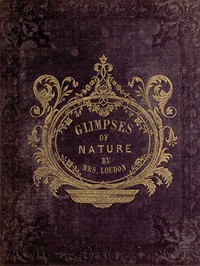
Glimpses of Nature, and Objects of Interest Described, During a Visit to the…
Let me tell you about a book that feels like finding an old photograph in an apron pocket—dated but full of quirky life. ‘Glimpses of Nature, and Objects of Interest Described, During a Visit to the…’ is Mrs. Jane Loudon's wild 1851 field trip, and honest to goodness, once you crack it open, you'll wish she was your bossy, brilliant great-grandma explaining why that purple beetle matters more than the queen's latest dress.
The Story
So the plot is simple yet mesmerizing: Jane takes you along on a visit—I think to some shoreline and woods in England—and every few pages, she finds a 'curiosity.' Like, a strange plant that eats bugs. Or a rock that looks EXACTLY like a snail's shell but weighs ten times more. Or beetles with iridescent armor like knight helmets. Nothing much happens in a ‘fast-paced’ way, but there's this quiet, gorgeous thriller subplot—the century’s biggest scientific crisis: are these fossils evidence of the Bible’s flood, or are they millions of years old? Jane is clever: she plays along politely (ladies didn't scream for revolution) while slyly showing us evidence that shakes the old certainties. That tension—curiosity vs. tradition—drives every page.
Why You Should Read It
What I loved is Loudon’s voice—admitting she 'trembles' at a massive glacier's power, or slyly mouthing a joke about male scientists missing obvious connections as she finds a barnacle growing on a worm. Come on, a Victorian lady punking the establishment while teaching botany? She never talks down to you, which is crazy for a 170-year-old text. And it reveals something about us humans: every generation thinks they have nature sorted, then they spot a dirt-kissing eel and gasp. My personal favorite part? She visits a cave and, between describing stalagmites, basically asks—'And why should a mountain have been thrown up here without purpose?' Without screaming, Loudon plants seeds of profound questions about science and faith still with us today. Plus, her amazement spreads like breakfast-table gossip—you truly will care about the size of ants and the difference between seaweed species after.
Final Verdict
Okay, check this: Who is this book for? Absolutely you, if you've watched a nature documentary and felt a flame of wonder deep down. It’s slower than TikTok, yes, but richer than any social science article. If you love immersive audiobooks akin to a clever grandfather rambling through woodlands, start here. She’s not didactic—she’s joyfully confused alongside you. Mostly? It's for people tired of modern nature guides being stripped of soul. Grab this rain-spattered mystery of flora and fossils while sipping tea, curious about when minds collide with rock shells and seed pods. You'll close it noticing hills like never before.
This book is widely considered to be in the public domain. Distribute this work to help spread literacy.
Mary Taylor
6 months agoThe methodology used in this work is academically sound.
Richard Martinez
8 months agoThought-provoking and well-organized content.



David Brown
8 months agoThis digital copy caught my eye due to its reputation, the nuanced approach to the central theme was better than I expected. A perfect balance of theory and practical advice.