D
David Enden
Guest
- Thread Author
- #1
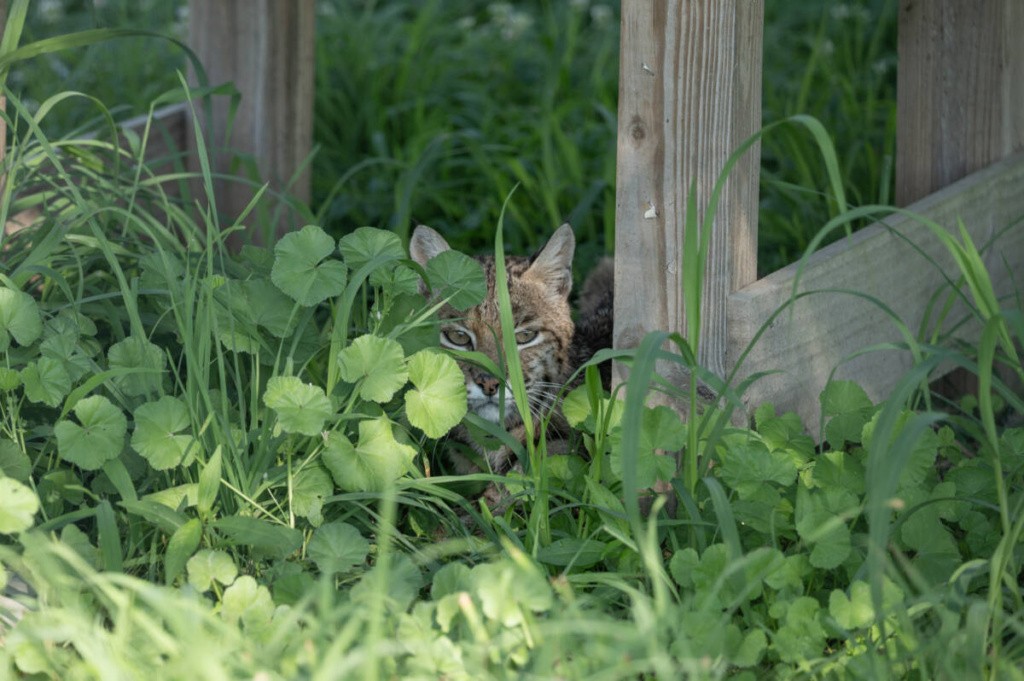
Ariel bobcat finds shade, solitude and comfort in her habitat at the Refuge.
When people see a tiger, lion, or bear living in human care, it can be easy to assume every facility serves essentially the same purpose. In reality, accredited zoos, accredited sanctuaries, and roadside zoos can have very different missions.
At Turpentine Creek Wildlife Refuge (TCWR), understanding those differences is important—not because accredited zoos and sanctuaries are opposing models, but because they serve different and often complementary roles in protecting and caring for wildlife.
TCWR works closely with Association of Zoos and Aquariums (AZA)-accredited institutions and other respected animal welfare organizations. These partnerships allow wildlife professionals to share knowledge, resources, and expertise while advancing the standard of care for animals living in captivity.
Accredited Zoos: Conservation and Education
Modern, accredited zoos play an important role in wildlife conservation.
AZA-accredited institutions support conservation projects, help protect wildlife and natural habitats, conduct scientific research, educate the public, and participate in carefully managed animal populations. Programs such as Species Survival Plan® programs help maintain healthy, genetically diverse populations of threatened and endangered species in human care.
Education is also central to their mission. Seeing a tiger, elephant, or gorilla can help people form a connection with wildlife they may never encounter in the wild. Zoos can turn that connection into opportunities to teach visitors about habitat loss, poaching, wildlife trafficking, and other threats facing species around the world.
Their habitats reflect this mission, balancing high standards of animal welfare with opportunities for visitors to observe wildlife, learn about natural behaviors, and become inspired to support conservation.
Accredited Sanctuaries: Rescue and Lifelong Refuge
At an accredited sanctuary like Turpentine Creek, the primary mission is different.
Our residents are not here primarily to represent their species. They are here because they needed somewhere to go.
Many TCWR residents came from private ownership, roadside zoos, entertainment, neglect, improper care, or other situations where they could no longer remain. Because animals raised in captivity generally cannot be released into the wild, they need a safe place to spend the rest of their lives.
As a Global Federation of Animal Sanctuaries (GFAS)-accredited organization, TCWR provides lifelong refuge without buying, selling, commercially trading, or intentionally breeding the animals in our care.
Our goal is to provide exceptional, individualized care to the animals who already need us.
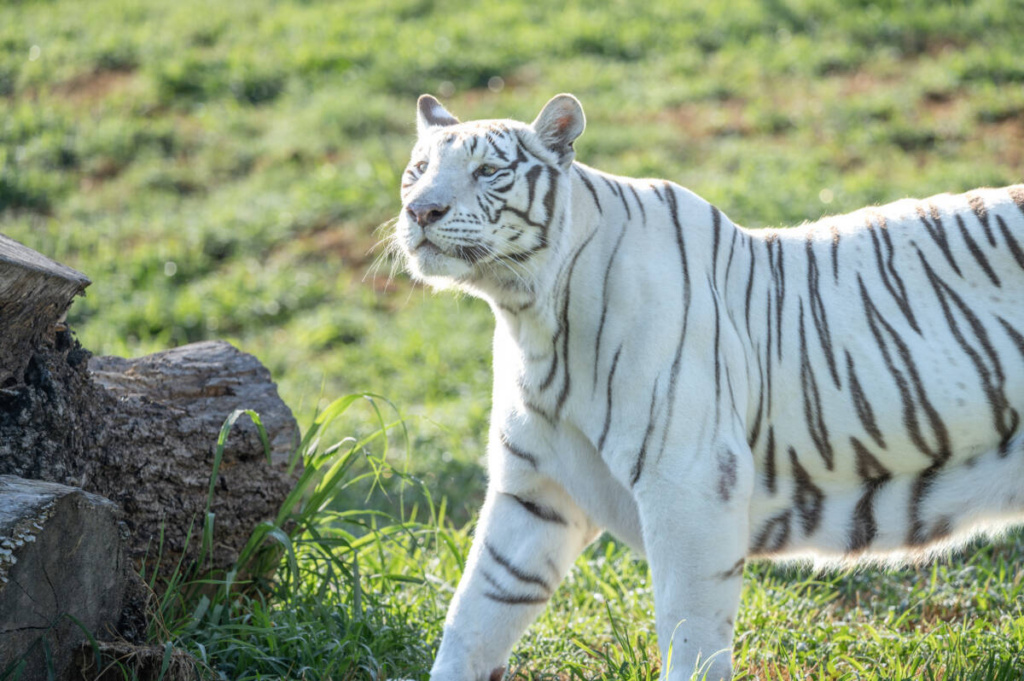
This summer, TCWR worked alongside Oakland Zoo to rescue Zuri. Prior to this, TCWR worked with the Oakland Zoo on another rescue in 2022.
Different Habitats for Different Missions
The differences between accredited zoos and sanctuaries can also be seen in how habitats support their respective missions.
At AZA-accredited zoos, habitats support animal welfare while creating opportunities for visitors to observe wildlife, learn about different species, and develop connections that can inspire conservation. Animal choice, enrichment, behavioral opportunities, and areas for privacy are important components of modern zoological care.
At TCWR, our habitats are designed specifically around the needs of rescued animals who will spend the remainder of their lives in sanctuary.
Many of our residents experienced neglect, exploitation, inappropriate private ownership, or other difficult circumstances before arriving at the Refuge. Providing privacy and allowing each animal to make choices about how they spend their day is especially important.
A tiger may choose to rest where visitors can see her—or spend the afternoon sleeping in her den or relaxing completely out of sight. Both are perfectly acceptable.
Our goal is not to ensure every visitor sees every animal. Our goal is to give each resident as much choice and control over their daily life as possible.
What About Roadside Zoos?
The term roadside zoo can be confusing because there is no single appearance that defines one.
A facility may call itself a zoo, wildlife park, rescue, or even a sanctuary. The name alone does not tell you what standards are being followed behind the scenes.
This is where independent accreditation matters.
AZA accreditation evaluates animal welfare, veterinary care, conservation, education, safety, staffing, facilities, and organizational operations. Similarly, GFAS accreditation provides standards specifically designed for sanctuaries, including animal care, governance, safety, and ethical practices.
A government license is not the same as professional accreditation.
Warning signs can include facilities that encourage direct contact with dangerous wild animals, offer cub-petting or photo opportunities, breed animals primarily for public interaction, or buy and sell wildlife for entertainment or profit.
Different Missions. A Shared Responsibility.
The conversation surrounding captive wildlife should not be reduced to zoos versus sanctuaries.
Accredited zoos and accredited sanctuaries share a commitment to animal welfare, but their primary missions are different.
Accredited zoos help conserve species, support conservation in the wild, conduct research, and connect people with wildlife. Accredited sanctuaries like TCWR focus on rescuing individual animals in need and providing them with lifelong refuge.
Those missions can—and frequently do—intersect.
Veterinarians, animal caregivers, behavior specialists, researchers, and other wildlife professionals share knowledge and experience that can improve animal welfare across institutions. Accredited zoos and sanctuaries can also work together when animals need new homes or complex rescues require resources beyond what one organization can provide.
Ultimately, collaboration helps all of us provide better care for wildlife.
Know Before You Go
Before visiting or supporting a facility housing wild animals, look beyond the name. Research its accreditation. Learn whether animals are bred, bought, sold, or used for entertainment. Ask whether visitors can touch or pose for photographs with dangerous wildlife. Look at how the organization contributes to conservation, education, rescue, and animal welfare.
At Turpentine Creek Wildlife Refuge, we believe wild animals belong in the wild. Accredited conservation organizations work to help protect wildlife and natural habitats so animals can remain there.
For those who have already been removed from the wild—or were born in captivity and can never return—sanctuaries have another responsibility: providing a safe home, exceptional care, and the opportunity to live the rest of their lives on their own terms.
That is what refuge means.
The post Sanctuary vs. Zoo vs. Roadside Zoo: What’s the Difference? appeared first on Turpentine Creek Wildlife Refuge.